
Turkish carpets are renowned worldwide for their exceptional craftsmanship and rich cultural history. From finely knotted silk carpets from Hereke to robust wool rugs from Anatolia, Turkish carpets come in countless styles, colors, and sizes. This art form has evolved over centuries, with various regions in Turkey contributing their unique styles and techniques. In this blog, we delve deeper into the history and characteristics of Turkish carpets, with a special focus on the Anatolia, Hereke, and Oushak regions. You'll also learn how to identify hand-knotted Turkish carpets and what distinguishes them from Persian carpets.
The Origin
The tradition of carpet weaving in Turkey dates back thousands of years, with roots in the nomadic cultures of Central Asia. The famous Pazyryk carpet, the oldest preserved carpet in the world, about 2400 years old, proves how ancient this tradition is. It was knotted with a symmetrical knot closely resembling the Turkish knot still used today. When nomadic tribes from Central Asia settled in Anatolia, now modern Turkey, they brought their knowledge and techniques of carpet weaving with them. Anatolia, located at the crossroads of various civilizations, quickly became a center for producing oriental carpets that were not only functional but also aesthetically and symbolically significant.
Carpets from Anatolia are often imbued with symbolism, where each pattern and color usage carries a specific meaning. For example, the use of the color red can symbolize protection, while blue is often associated with the sky and spirituality. The craftsmanship was passed down from generation to generation, ensuring that the tradition of weaving and knotting Turkish carpets has remained vibrant to this day.
Characteristics of Turkish Rugs
What makes Turkish carpets special is the complexity of their designs and the weaving techniques used. One of the most characteristic techniques is the double knot (also known as the Turkish knot or Ghiordes knot). This knotting technique, where the threads are wrapped twice around the warp, creates an exceptionally sturdy and durable carpet structure. This makes hand-knotted Turkish carpets not only beautiful to look at but also very durable in use. And it remains impressive handiwork on a grand scale: an average hand-knotted Turkish carpet easily counts more than 250,000 knots per rug — with fine pieces running into the millions.
The designs of Turkish carpets are often very detailed, with patterns ranging from geometric figures to floral motifs and medallions. These patterns are not only decorative but also carry deeper meanings and stories. Floral motifs, for example, can symbolize growth and fertility, while medallions often represent a central point of spirituality or power.
Materials: Wool, Cotton, and Silk
Traditional Turkish carpets are knotted from wool, usually on a cotton or wool warp. Wool is naturally durable and dirt-resistant, and it gives a rug warmth and resilience — ideal for the living room. For the finest pieces, silk is used: silk carpets have a much higher knot density, allowing for extremely detailed designs, and a characteristic sheen that changes with the light. Hand-knotted carpets made from these natural materials, with proper care, last for generations.
Renowned Styles
Within Turkey, there are several regions famous for their unique carpet styles. Two of the most well-known are carpets from Hereke and Oushak.
- Hereke carpets: these carpets come from the city of Hereke, near Istanbul, and are known for their extreme refinement and detailed designs. Hereke carpets were originally woven for the palaces of the Ottoman sultans and are characterized by the use of silk and an exceptionally high knot density. High-quality silk Hereke carpets are among the finest knotted carpets in the world.
- Oushak carpets: originating from the city of Uşak, in southwestern Anatolia, Oushak carpets are famous for their large, geometric designs and the use of subtle, muted colors such as soft gold tones, beige, and light blue. These carpets often have a rustic charm and are appreciated for their simplicity and timeless elegance — even in a modern interior.
Turkish Carpets vs. Persian Carpets
Turkish and Persian carpets are often mentioned in the same breath, but there are clear differences. Persian carpets from Iran are typically knotted with the single (Senneh) knot; Turkish rugs use the double Turkish knot, which results in a sturdier weave. In terms of design, Persian carpets are often more floral and finely drawn, while Turkish carpets are bolder in color and more geometric in pattern. Afghan carpets also have their own recognizable tradition. Which one you choose is mainly a matter of taste and interior: they are all high-quality hand-knotted carpets with their own story. Curious about the difference in person? Besides our Turkish collection, also check out our original Persian carpets.
Will You Choose a Turkish Carpet?
Turkish carpets are not just decorative pieces but also bearers of a rich cultural tradition. Whether you love the refined craftsmanship of Hereke carpets or appreciate the rustic charm of Oushak, every Turkish carpet tells a unique story. Through the combination of complex designs, durable materials, and ancient techniques, Turkish rugs remain a valuable addition to any interior — from classic to modern.
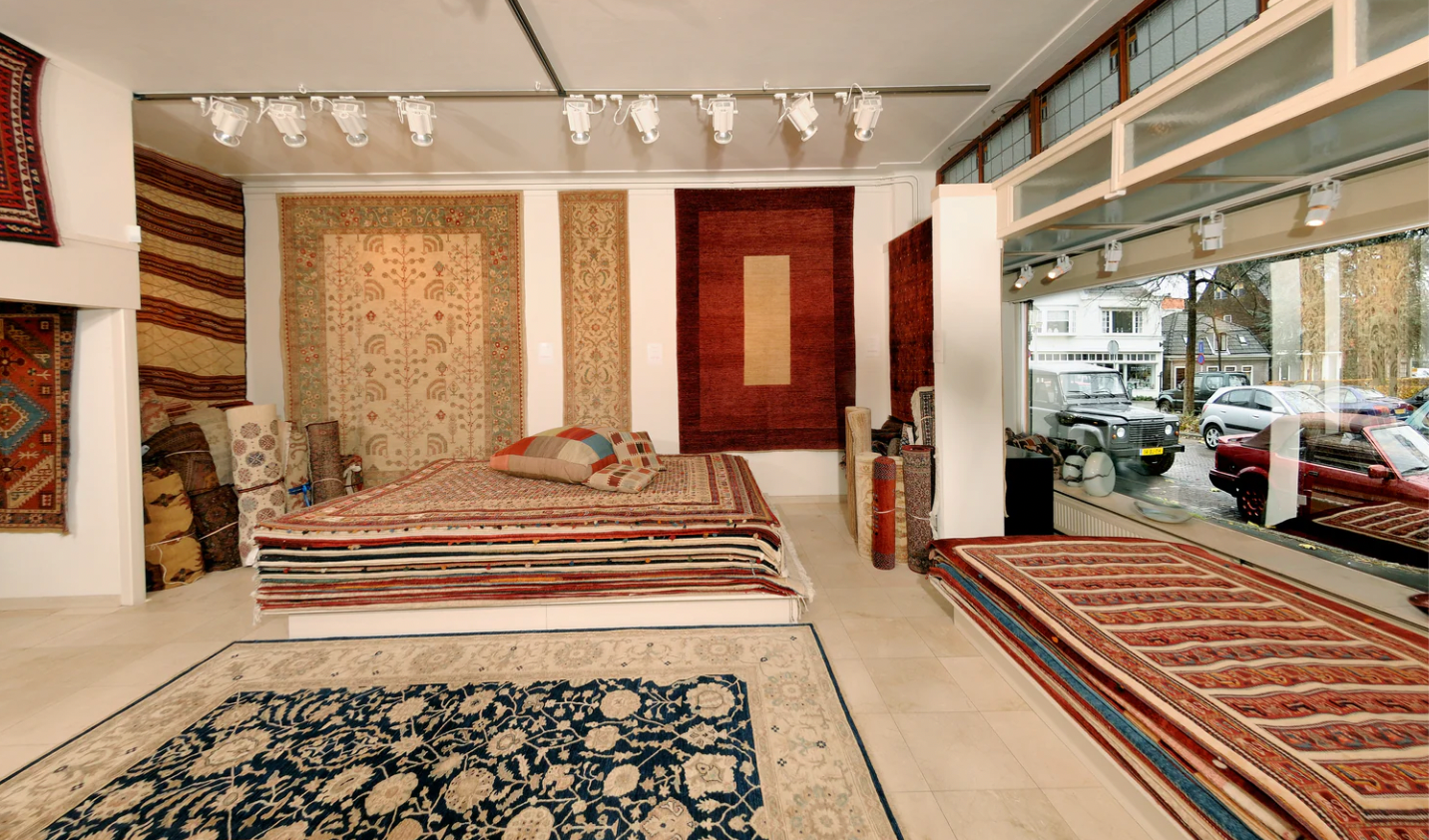
At Hamming van Seventer, you'll find a wide range of authentic Turkish carpets that continue this rich tradition. Discover our collection of oriental carpets and find the carpet that perfectly suits your living room. Prefer flat-woven? A hand-woven kilim rug — a flat-woven rug without pile, with characteristic geometric patterns — is also an ancient Turkish tradition, as are the matching kilim cushions.
Finding it difficult to make a choice? We offer a free home viewing service. Visit one of our galleries, and we will make an appointment together to view the rugs at your home. This way, you always make a good choice.
Frequently Asked Questions About Turkish Carpets
How do you recognize a real Turkish carpet?
By the double Turkish (Ghiordes) knot: on the back, you will see the pattern knot by knot. Real hand-knotted Turkish carpets are made of wool or silk and have small irregularities that a machine-made carpet lacks.
What is a Turkish carpet called?
Turkish carpets are also called Anatolian carpets, named after the region where they are knotted. Famous types bear the name of their city of origin, such as Hereke, Oushak (Uşak), Konya, and Kayseri. Flat-woven Turkish rugs without pile are called kilims.
Where are the best Turkish carpets made?
Hereke is known for the finest silk carpets, once knotted for the Ottoman palaces. Additionally, Oushak and the villages of Anatolia are famous for their distinctive wool carpets.
Do Turkish carpets fit into a modern interior?
Absolutely. Especially Oushak carpets, with their muted colors and large geometric patterns, look beautiful in a modern or understated interior.