




Antique Rugs & Old Carpets — Hand-knotted, 100+ Years Old
Since 1994, Galerie Hamming van Seventer has offered a carefully curated collection of antique and old hand-knotted rugs — pieces typically 80 to 130 years old, in excellent condition, and all unique. No reproductions or "vintage style" modern weaves, but authentic hand-knotted rugs passed down through three or four generations, capable of lasting many more. On this page, you'll discover what truly makes a rug antique, where the most beautiful pieces come from, and what to look for when buying — for enthusiasts, collectors, and anyone wishing to enrich their interior with a piece of history.
Our collection includes both Oriental rugs and antiquities (Persian, Turkish, Caucasian, Moroccan) as well as rare Dutch carpet heritage — including a remarkable Deventer carpet from 1920 from the golden years of the Royal Deventer Carpet Factory.
What are antique rugs?
In the rug world, the term antique is generally used for pieces that are at least 80 to 100 years old. For us, that means hand-knotted before approximately 1945, often around the turn of the century or during the interbellum. These rugs distinguish themselves from modern weaves by:
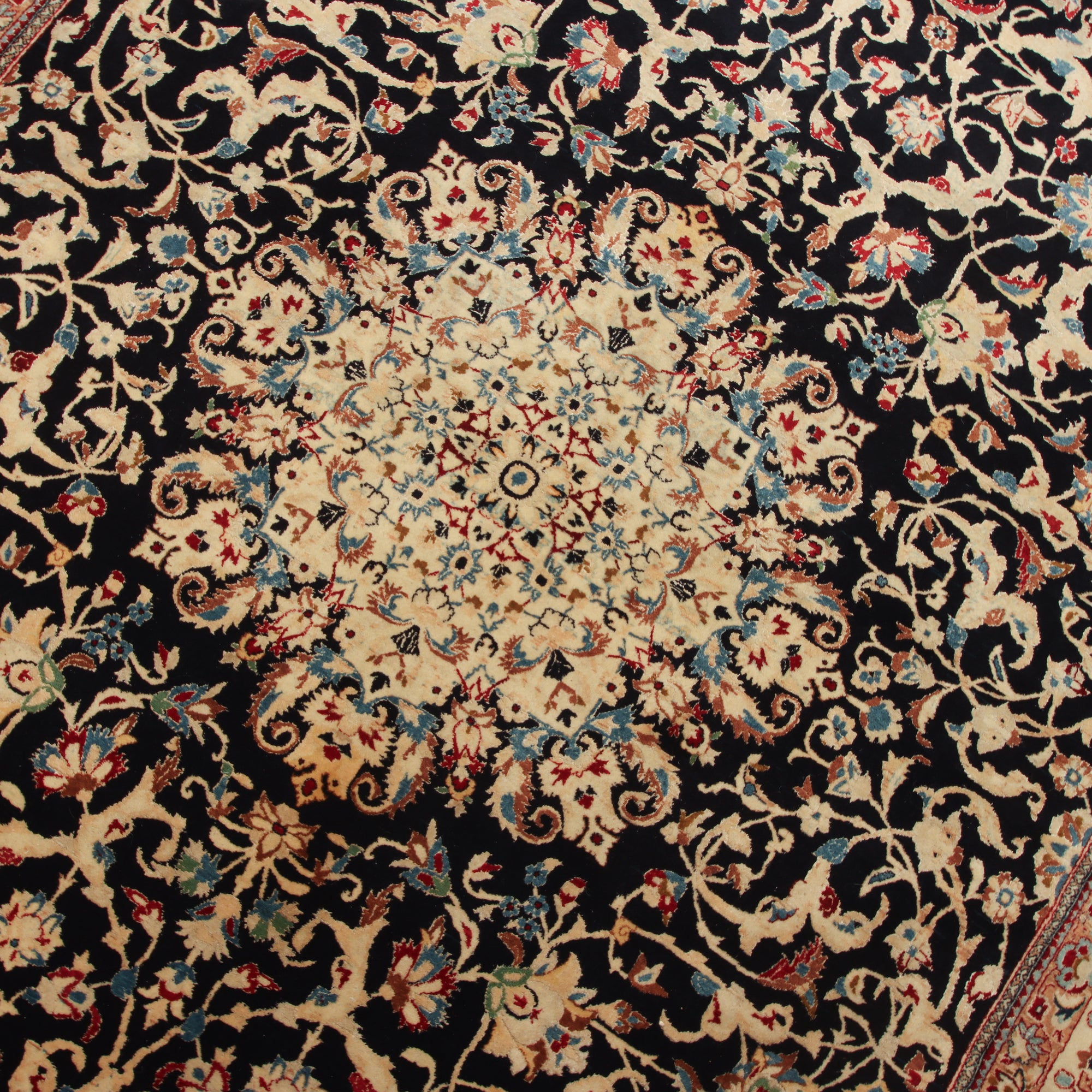
- Vegetable dyes — natural colorants (indigo, madder root, walnut, pomegranate peel) that develop an inimitable patina over decades that no chemical dye can match.
- Hand-spun wool — before industrialization, wool was spun by hand, resulting in an irregular, lively thread quality and texture.
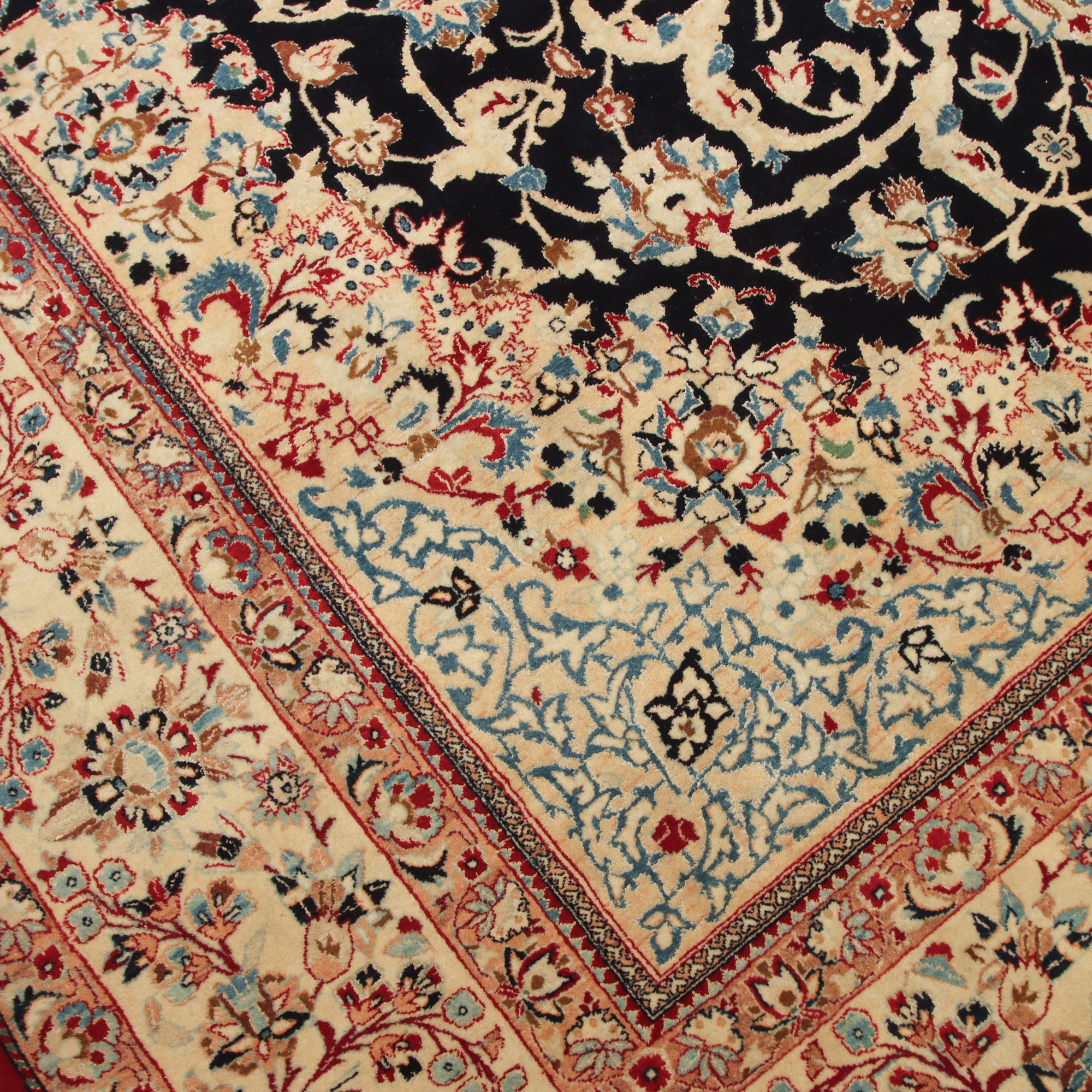
- Traditional knotting techniques — Persian (asymmetrical) or Turkish (symmetrical) knots, tied by generations of weavers who passed down their craftsmanship from mother to daughter.
- Condition and patina — small irregularities, slight wear in high-traffic areas, a lower pile, and soft colors ("mellowed tones") that can only be created by time.
Origin: Where do antique rugs come from?
The origin largely determines the character and value of an antique rug. Antique Persian rugs come from famous weaving centers like Isfahan, Qom, Tabriz, Heriz, and Kashan — each with its own recognizable tradition. Antique Turkish rugs were often made in and around Istanbul and Hereke, where silk was also used for the finest pieces. From the Caucasus come geometric flatweaves and Soumacs, from the Atlas Mountains the early Moroccan Berber rugs, and antique Afghan rugs are now so rare that they are highly sought after by collectors. All these Oriental rugs together tell the story of centuries of craftsmanship.
Which antique rugs will you find with us?
Our current collection of over 65 antique and old pieces includes:
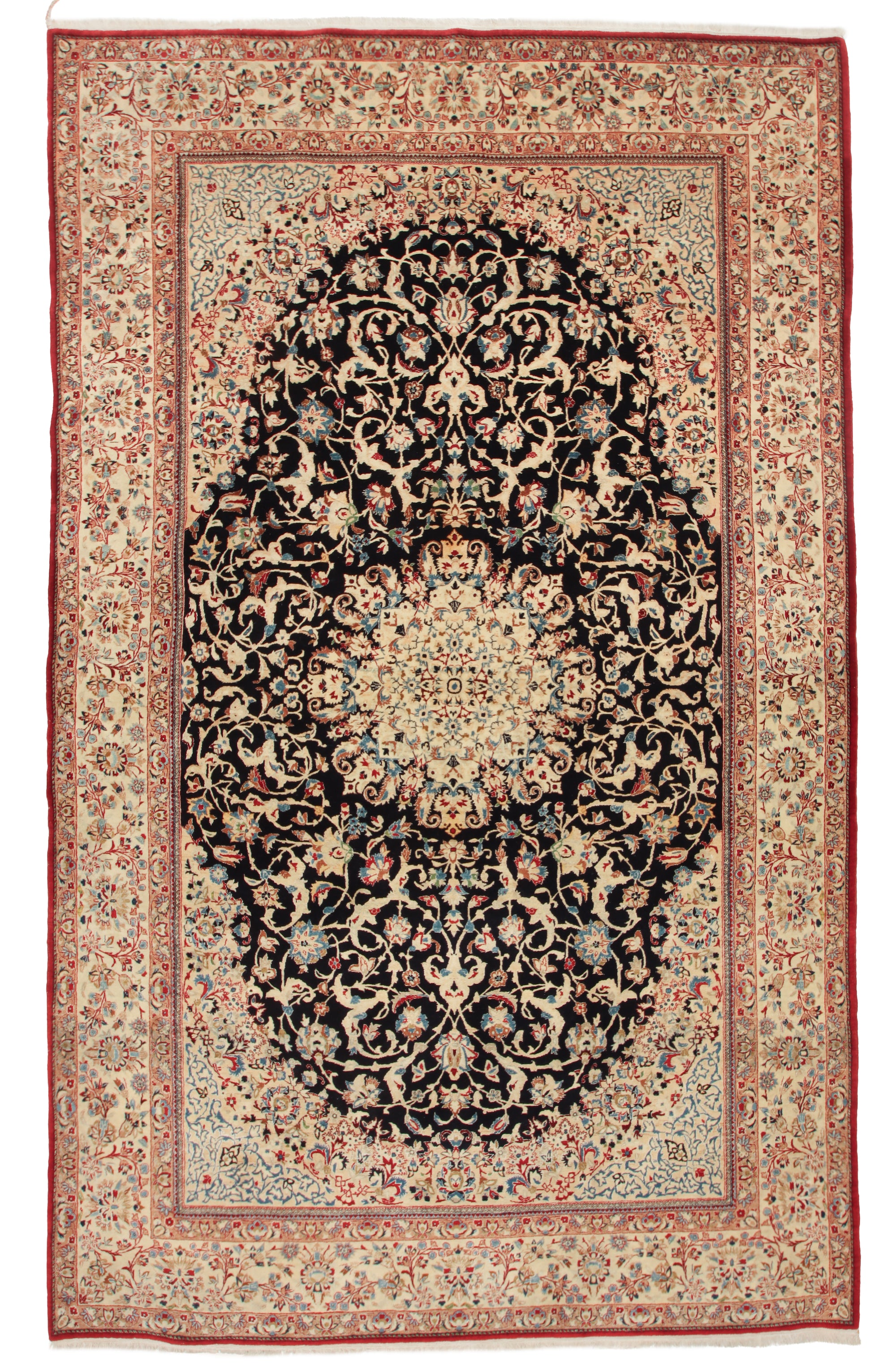
- Antique Persian rugs — Nain Tudeshk, Isphahan, Heriz, Tabriz, Kashan, Bakhtiari — finely knotted pieces from Iran.
- Antique Senneh kilims — flat-woven masterpieces from Iranian Kurdistan, some from the late 19th century.
- Caucasian weaves — Kuba Soumac, Kuba Chirwan, Shasavan — geometric splendor of color from the Caucasus.
- Anatolian flatweaves — Konya, Karapinar, Aksaray, Mujur, Kutahya — Turkish weaving traditions dating back to the Ottoman period.
- Tribal rugs & bags — Bakhtiari bags, Turkmenistan chuval, Qashqai tribal rugs — nomadic utilitarian objects now art.
- Antique Moroccan — Beni Ourain shawls, rarely preserved old examples from the Atlas Mountains.
- Dutch heritage — an exceptional Deventer rug from 1920, from the Amsterdam School and Art Deco period.
Highlights from our collection
Some special pieces you can view with us at the moment:
- Deventer Antique 355 x 615 cm (1920, €14,500) — a "room-sized" example from the Royal Deventer Carpet Factory, peak Amsterdam School / Art Deco period.
- Nain Tudeshk 220 x 350 cm (€29,500) — exceptionally fine knot density from one of Iran's most prestigious weaving centers.
- Bakhtiari 310 x 480 cm (€35,000) — large Iranian tribal rug, museum quality.
- Antique Senneh kilim 207 x 488 cm (€15,000) — masterpiece of slit-weave technique, from Iranian Kurdistan.
- Kuba Soumac 235 x 287 cm (€14,500) — Caucasian handcraft with the characteristic geometric "lock" patterns.
Our prices for antique rugs start at approximately €950 for smaller pieces and can go up to €35,000+ for exceptional museum-worthy examples.
Antique rugs as an investment
A well-chosen antique rug is more than a floor covering — it is a combination of art, craft, history, and a stable asset. It instantly gives a room ambiance and a unique character: each piece tells a story and reflects the beauty of the region where it was knotted. Antique hand-knotted rugs in good condition hold their value exceptionally well and can, depending on rarity, designer, age, and condition, increase in value. Unlike modern textiles — which are replaced after five to ten years — an antique rug is something that one generation passes on to another.
For the sustainability-conscious buyer, an antique rug is also the most responsible choice: no industrial consumption, no synthetic fibers, no disposable cycle — a product made a century ago that can last another 100 years. Sustainability and timeless class for your interior.
Frequently asked questions about antique rugs
How old must a rug be to be called "antique"?
In the rug trade, the general threshold is 80 to 100 years. Pieces between 30 and 80 years old are usually referred to as vintage or semi-antique. Our antique collection mainly includes pieces from the period 1850–1940.
Where do antique rugs come from?
Mainly from classic weaving regions: Persian rugs from Isfahan, Qom, Heriz, and Tabriz; Turkish rugs from Istanbul and Hereke; also the Caucasus, Afghanistan (very rare and sought after by collectors), and Morocco. The Netherlands also had carpet heritage, such as the Deventer rug.
How do I know if an antique rug is genuine?
Genuine antique rugs are recognizable by their vegetable dyes (colors are softer and have patina), hand-spun wool (irregular thread thickness), traditional knotting technique (visible on the reverse), and typical wear patterns. Every antique rug is hand-knotted and unique. An experienced rug gallery can determine the age and origin with certainty — if in doubt, always ask for a written statement.
What does an antique rug cost?
The price depends on age, origin, designer, condition, knot density, and size. With us, antique pieces start from approximately €950 for smaller items and go up to €35,000+ for exceptional pieces worthy of a museum. A good rule of thumb: quality antique work 100+ years old in good condition starts at €2,500–€5,000.
How do I maintain an antique rug?
Vacuum regularly but gently without a rotating brush, do not place on a damp surface, rotate to prevent uneven wear, and have it professionally cleaned every three to five years. Our specialists for cleaning and restoration are experts in antique hand-knotted rugs.
Are antique rugs still supplied every month?
Unlike modern rugs — which are continuously woven — the global supply of antique rugs is finite and shrinks every year. Pieces offered now for €5,000 will often cost significantly more in ten years. What exists now is all there will ever be.
Viewing and purchasing — galleries + free viewing service
You don't buy an antique rug from a screen. Come visit, or let us come to you — our advisors are happy to answer all your questions:
- In one of our galleries — visit Gallery Groningen (our flagship since 1994), Gallery Amstelveen or Gallery Hilversum. Make an appointment in advance, and we will ensure the rugs of your interest are ready.
- Free home viewing service — we will visit you at home with a selection. You'll see the rug in your own room, with your own light and furniture. For a purchase of this level, it's the only proper way. No obligation, no cost.
- By phone or email — 050-3186797 (Groningen), 020-6405177 (Amstelveen), 035-6228345 (Hilversum), or info@kelim.nl. Remote purchasing is also possible: we arrange fast, insured shipping.
Related collections
Prefer the vintage look without the antique price tag? Then check out our vintage rugs — semi-antique and recolored pieces with the same soul.
- Persian rugs — our entire Persian collection, classic and modern
- Kilim rugs — woven character rugs, new to antique
- Vintage & recolored rugs — semi-antique and repurposed heritage
- Berber rugs — Moroccan handcraft from the Atlas Mountains